


If you are planning a remodel in Georgetown, one of the most important early decisions is who should guide the project. Many homeowners compare design-build to hiring a general contractor and assume the difference is mostly branding. It is not.
The real difference is how the project gets scoped, priced, designed, and managed before construction starts. If you already have complete plans and a very clear finish package, a general contractor can be enough. If you still need help shaping the design, setting the budget, coordinating selections, and reducing surprises, design-build is usually the better fit.
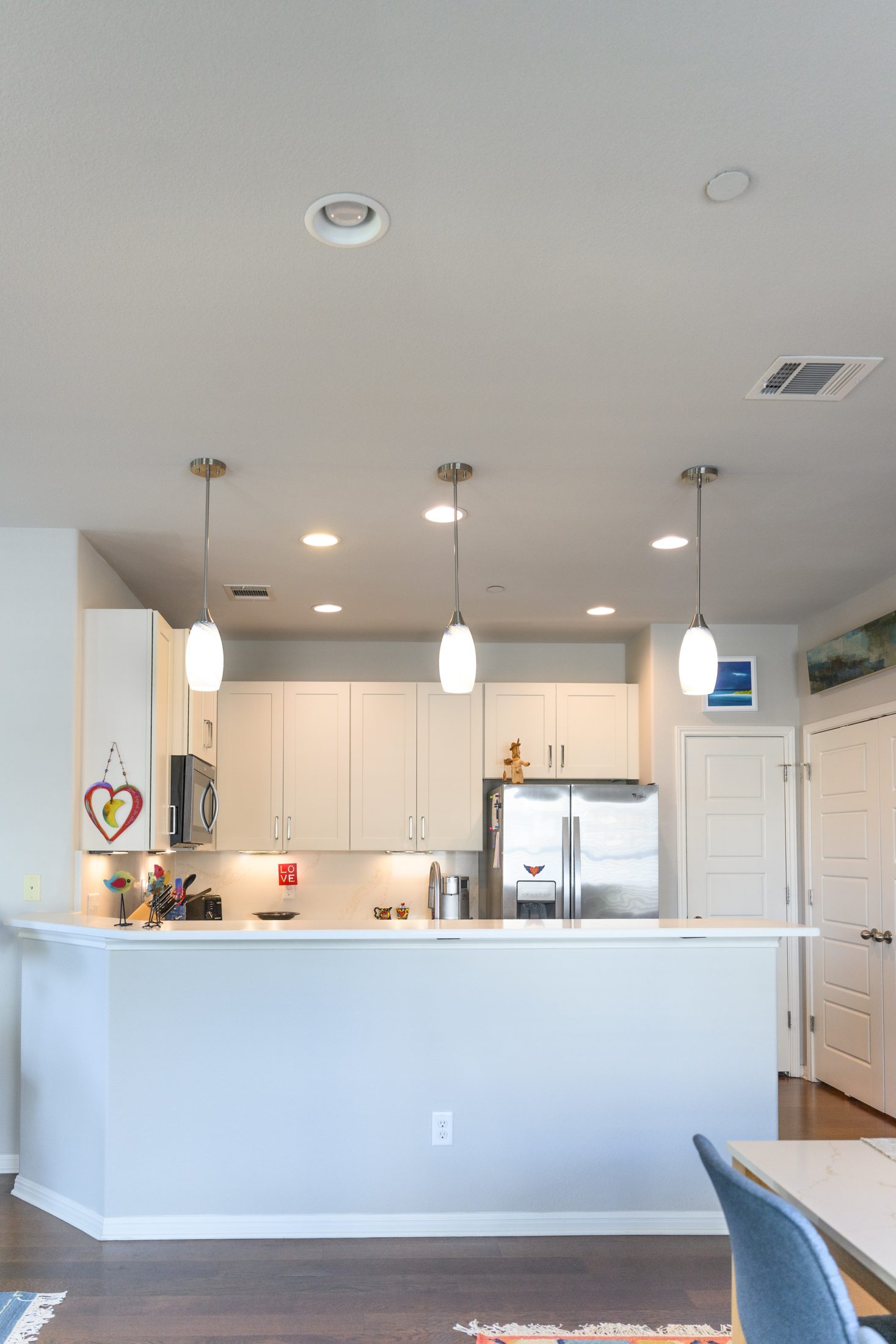
The short answer: which is better for a remodel?
For many homeowners in Georgetown, design-build is the better choice when the project still has moving parts. That includes most kitchen remodels, bathroom remodels, additions, and outdoor living projects. If you want concrete examples, compare Hoeft’s articles on the bathroom remodel timeline, living in your home during a remodel, and outdoor living project cost. They show how process choices affect schedule, daily life, and budget.
A general contractor can be a good fit when:
- the plans are already done
- the finish selections are mostly decided
- the scope is narrow and well-defined
- the homeowner is comfortable coordinating missing pieces
A design-build team is usually a better fit when:
- the budget needs to be shaped during design
- selections are not finalized yet
- the scope is complex
- the homeowner wants one main point of responsibility
- reducing change orders and misalignment matters
What is design-build?
Design-build means the project is handled by one coordinated team from preconstruction through build. That usually includes:
- estimating
- design development
- scope refinement
- finish selection support
- construction planning
- project management
- final execution
This matters because remodeling is full of interdependent decisions. Layout affects plumbing. Plumbing affects pricing. Pricing affects finish choices. Finish choices affect lead times. A design-build process handles those decisions in a connected way instead of forcing the homeowner to piece them together alone.
You can see how Hoeft applies this model across service lines on the kitchen, bathroom, and outdoor living pages.
What is a general contractor?
A general contractor is typically responsible for building the project once the scope is defined. That can work well, especially when the homeowner already has drawings, selections, and clear expectations in place.
In a traditional setup, the homeowner may be coordinating some combination of:
- designer or architect
- contractor
- cabinet supplier
- countertop fabricator
- fixture selections
- permit questions
- budget revisions
That approach is not automatically bad. It just places more coordination on the owner and leaves more room for scope gaps if the documents are incomplete.
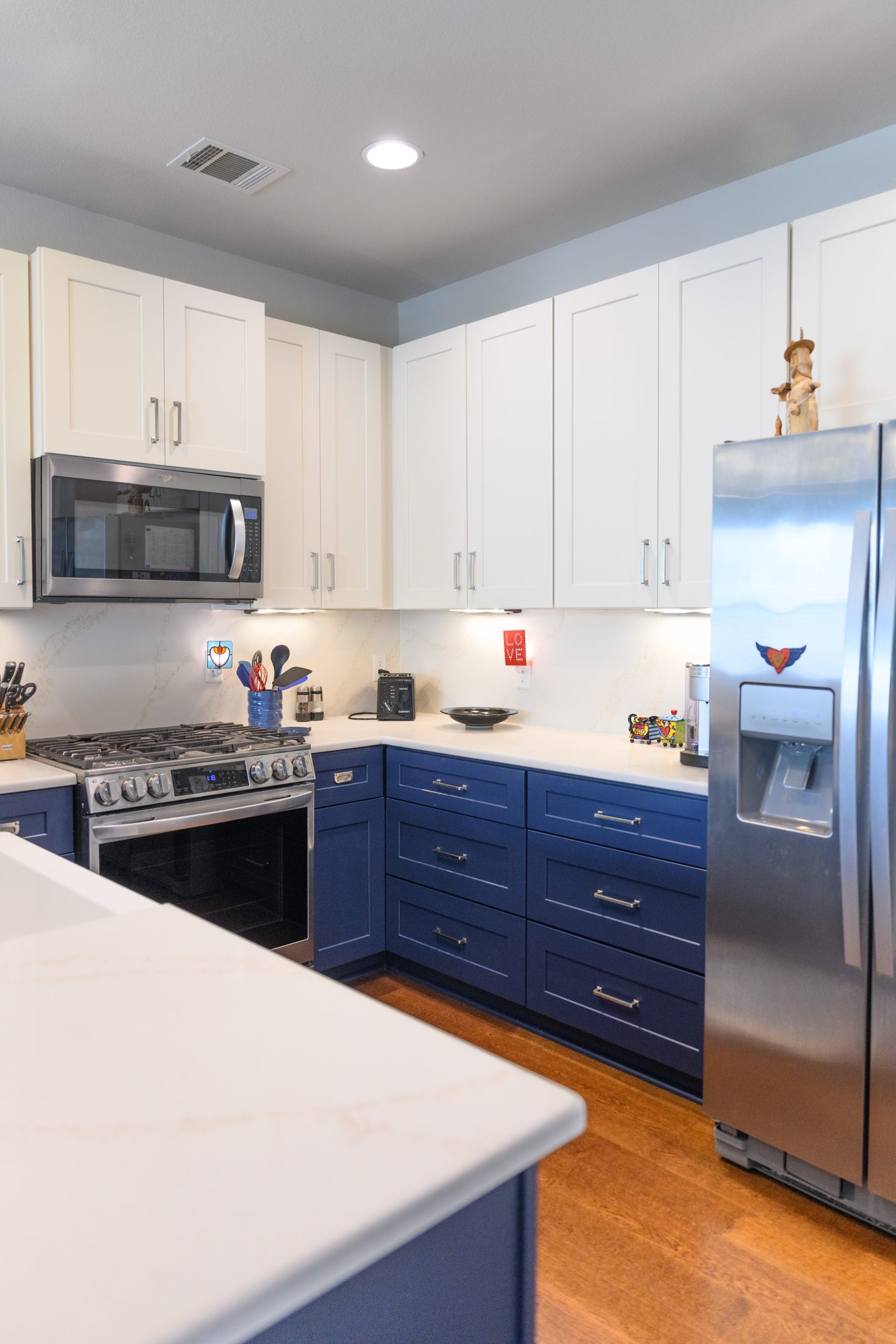
The biggest differences between design-build and a general contractor
1. Budgeting happens differently
With a general contractor, pricing often happens after the design is mostly complete. If the bid comes in high, the homeowner may need to rework plans or cut scope late in the process.
With design-build, budgeting is usually part of the design conversation. That makes it easier to make practical choices earlier, before the project gets too far down the road.
2. Communication is more centralized
In a design-build model, one team is responsible for carrying information from concept to completion. That reduces the handoff problems that often happen when design, estimating, and construction are split between multiple parties.
In a traditional contractor path, homeowners often become the bridge between different professionals. That takes time and creates opportunities for details to get missed.
3. Selections are tied to scope more effectively
Many remodel headaches come from finish decisions that happen too late. Cabinets, tile, plumbing fixtures, appliances, and lighting all affect both price and schedule.
A design-build process usually pulls those selections forward, so the scope is more realistic before demo starts.
4. Schedule control is usually better
No process eliminates delays completely. But design-build tends to reduce self-inflicted delays because more decisions are made before construction begins.
General contractor projects can move just as well if the plans are clear. The problem is that many homeowner-led remodels start with partial scope and unresolved selections, which creates mid-project friction.
5. Accountability is simpler
When design and construction are handled by separate parties, it is easier for problems to bounce between them. One side says the drawings were incomplete. The other says the builder should have caught it.
With design-build, accountability is more straightforward. One team owns more of the process.
6. Owner time commitment is different
This is a big one. A design-build process usually asks for decisions up front, then reduces the number of crises during construction. A general contractor route can work, but it often requires more owner coordination throughout the job.
For busy homeowners, that often matters as much as price. More structure up front usually means less chaos once construction begins.
When a general contractor may be the right choice
A general contractor may be enough if:
- you already have construction-ready plans
- your scope is relatively simple
- your selections are mostly locked
- you are comfortable managing loose ends
- you do not need a lot of design help
This can make sense for straightforward projects or homeowners who already have a strong design package and a clear plan.
When design-build is usually the better choice
Design-build is usually the smarter fit if:
- you are remodeling a kitchen or bathroom with lots of decisions still open
- you are adding space or changing layout
- the budget needs to be guided during design
- you want one main point of contact
- you want fewer surprises once construction starts
- you do not want to coordinate multiple vendors yourself
That is especially true for projects where timing, selections, permits, and scope are all connected. For example, if you are exploring an addition or larger reconfiguration, Hoeft’s article on planning a home addition shows how much has to be aligned before the build phase even begins.
Is design-build more expensive?
Not necessarily. Sometimes homeowners assume design-build costs more because the process is more involved up front. In reality, the total project can become more efficient because scope, selections, and budget are shaped earlier.
The real cost question is not just, “What is the cheapest way to start?” It is, “What process gives me the least waste, least confusion, and clearest path to the result I want?”
Late redesigns, rushed selections, and change orders can make a cheaper-looking process more expensive in practice.
Blunt answer for Georgetown homeowners
If you already know exactly what you want and already have the drawings to support it, a strong general contractor may be enough.
If you want guidance on design, better budget control, one coordinated process, and less homeowner management during the project, design-build is usually the better remodeling path.
That is not theory. It is how most complex remodels behave in the real world.
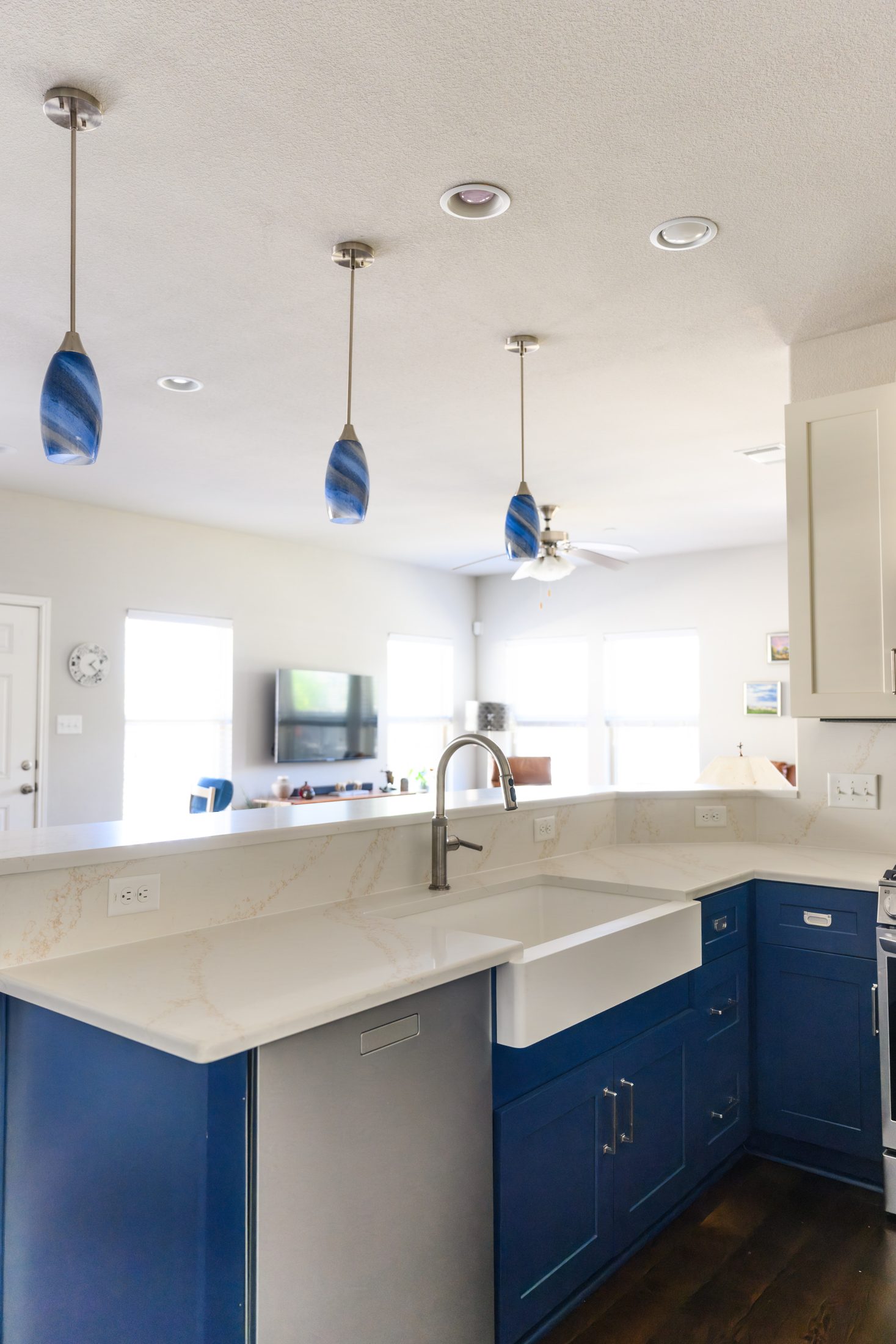
Work with a team that can guide both the design and the build
At Hoeft Design Build, the point is not to make the process feel more complicated. It is to make the process clearer earlier, so construction runs better later.
If you are trying to decide which path makes the most sense for your project, contact Hoeft Design Build to schedule a consultation. If budget flexibility matters, you can also review Hoeft’s financing options. And if you want outside perspective on client experience, you can review the Google Business Profile as well.
FAQ: design-build vs general contractor in Georgetown, TX
Is design-build better for a kitchen or bathroom remodel?
Usually, yes. Kitchens and bathrooms involve a lot of interconnected choices, which makes early coordination especially valuable.
When is a general contractor enough?
A general contractor can be enough when the plans, scope, and selections are already fully developed and the homeowner is not relying on the contractor to solve design questions.
Do I still own the plans in a design-build process?
That depends on the agreement, but Hoeft’s service pages state that design services are billed separately and the plans and renders belong to the homeowner whether they proceed to construction or not.