


The honest answer is: sometimes. You can often stay in your home during a smaller remodel. But once the project affects your only kitchen, your only full bathroom, major flooring areas, or multiple systems at the same time, living through construction can get rough fast.
For many Georgetown homeowners, the better question is not just, “Can I stay?” It is, “Will staying make daily life miserable, unsafe, or more stressful than it needs to be?” In some projects, staying home is realistic. In others, a temporary move is the smarter call.
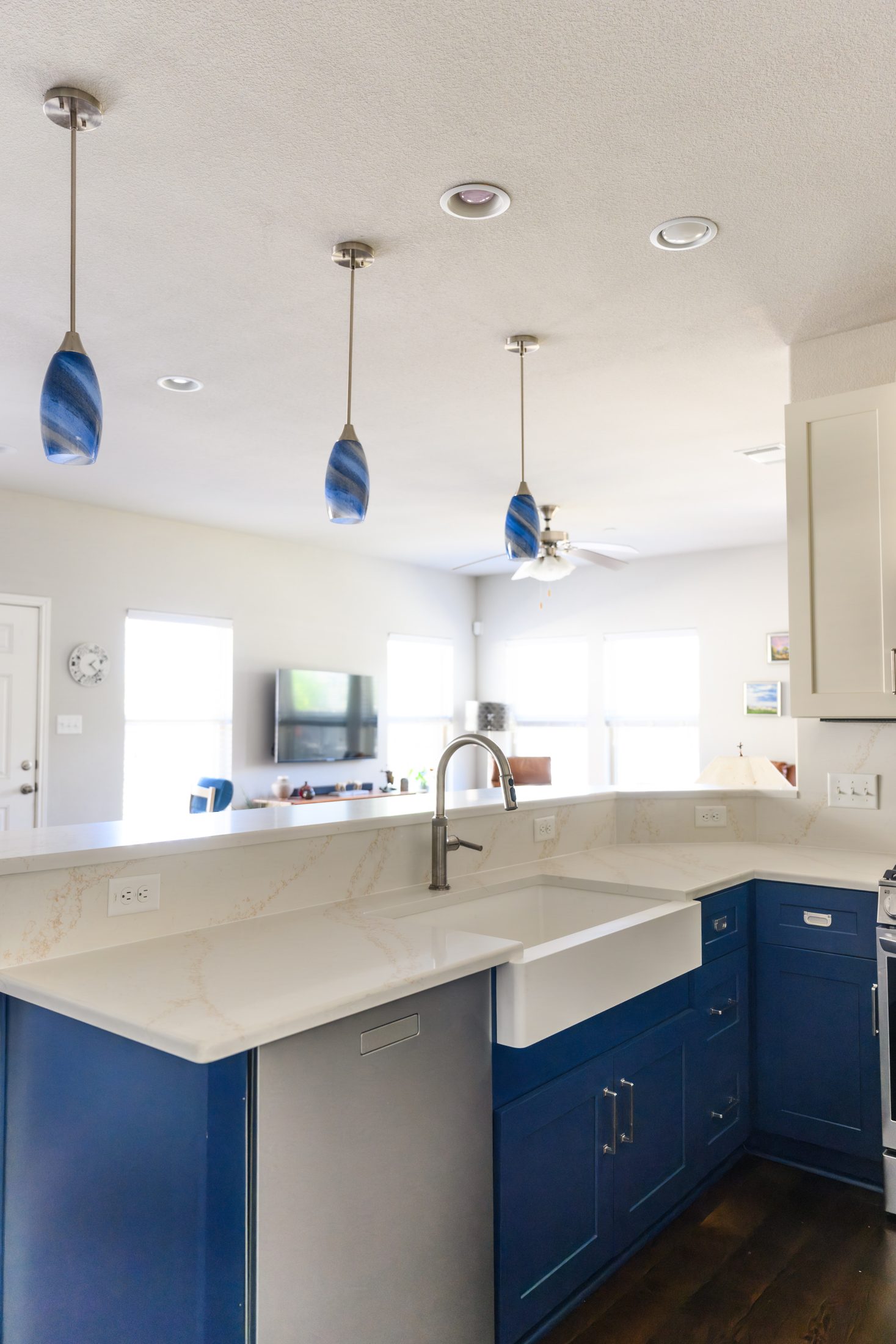
The short answer: can you live in your home during a remodel?
In general:
- Small guest bathroom remodel: usually yes
- Primary bathroom remodel with a second bathroom available: often yes
- Kitchen remodel: sometimes, but expect real disruption
- Whole-home remodel or major layout change: often no, or only partially
- Outdoor living project: usually yes, since the work stays mostly outside
If the remodel will regularly shut down water, power, HVAC, access, or your only essential spaces, you should at least price out a backup housing plan.
If your project includes the kitchen, Hoeft’s recent article on the kitchen remodel timeline helps show why the disruption can last longer than many homeowners expect.
What determines whether staying home is realistic?
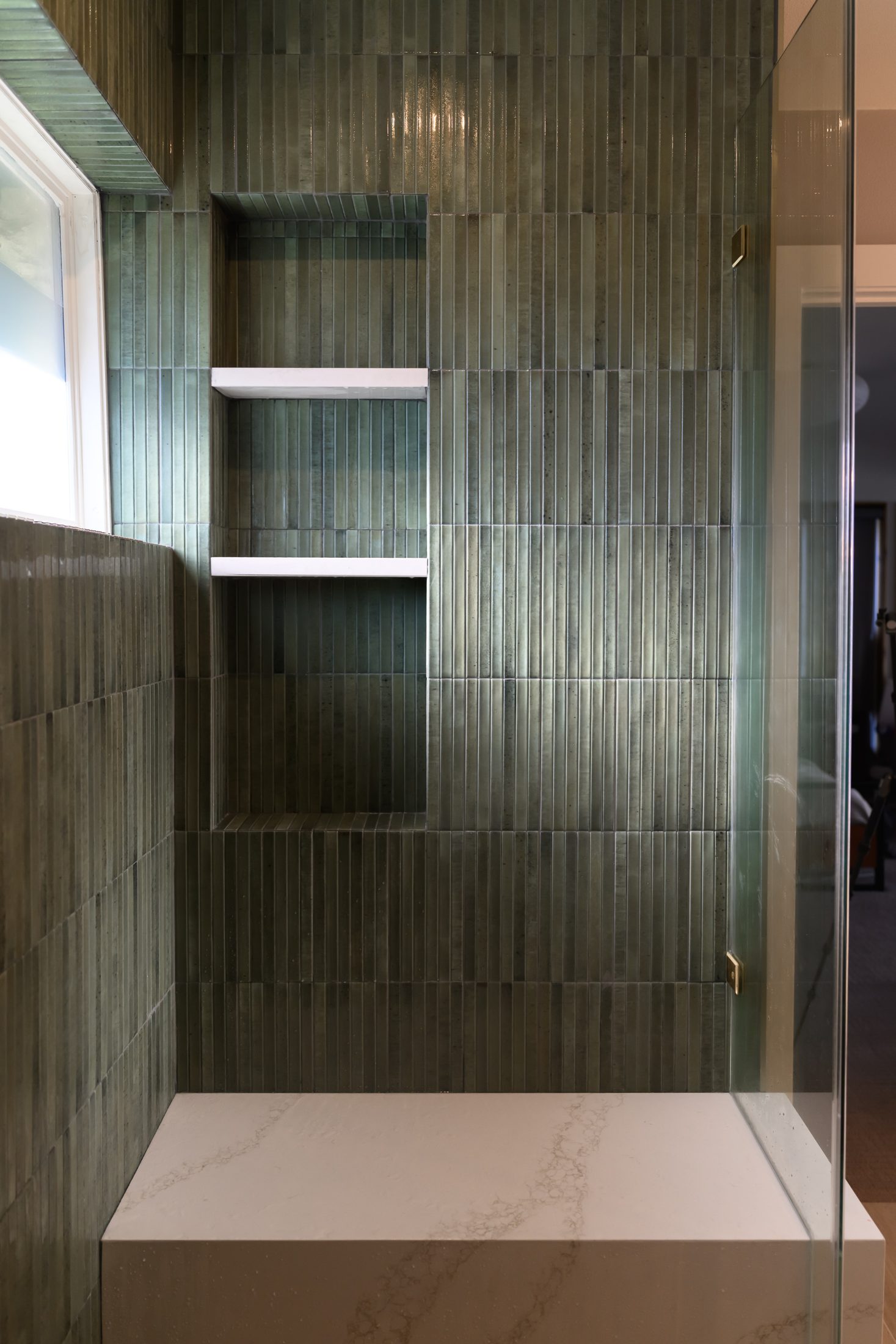
1. How much of the house is affected
If the work is isolated to one secondary bathroom, staying home may be fairly manageable. If it hits the kitchen, main bath, living areas, and circulation paths at once, the project starts to affect daily life in a much bigger way.
2. Whether you still have a functioning bathroom
This is often the deciding factor. If you have another full bathroom that works well, staying home is much easier. If the project takes out your only usable shower or toilet, the answer changes quickly.
3. Whether you still have a workable kitchen
A kitchen remodel is one of the hardest projects to live through because it affects cooking, dishes, food storage, and daily routine. Some families can tolerate a temporary kitchenette. Others are better off relocating for at least part of the project.
4. Dust, noise, and traffic
Even a well-run remodel is disruptive. Expect trade traffic, dust control barriers, tool noise, material deliveries, and reduced privacy. If you work from home, have small children, or are sensitive to noise, that matters.
5. Pets, kids, and health concerns
Construction zones and daily family life do not always mix well. Infants, medically sensitive family members, reactive pets, and anyone with air-quality concerns may push the decision toward moving out temporarily.
What it is like to stay home during different types of remodels
Bathroom remodel
If it is a guest bath or secondary bathroom, staying home is often realistic. If it is your primary bathroom and you still have another usable shower, it may still be workable.
If you only have one functioning bathroom, though, staying home becomes much harder. Bathroom work also involves periods of noise, dust, plumbing interruptions, and repeated access by different trades.
If your project is bathroom-focused, Hoeft’s bathroom remodeling service page is the best internal reference point for what the process looks like. For the scheduling side, Hoeft’s article on the bathroom remodel timeline in Georgetown shows how long that disruption can last.
Kitchen remodel
Kitchen remodels are often the toughest “stay or go” decision because they disrupt the center of daily life. Even if you technically stay in the house, you may be eating differently, washing dishes in a utility sink or bathroom sink, and living without normal storage and appliances.
Some homeowners do fine with a temporary setup that includes:
- a microwave or toaster oven
- mini fridge
- folding table prep area
- disposable dish strategy for a short stretch
But if the project is long or the family routine is already packed, staying home can wear people down quickly.
Whole-home remodel
This is where moving out becomes much more common. If flooring, paint, trim, doors, kitchens, bathrooms, or HVAC systems are being touched across multiple zones, the house may stop functioning like a house for a while.
At that point, even if you technically could stay, it may not be worth it.
Outdoor living or exterior-focused project
These are often the easiest projects to live through because the work stays largely outside. There can still be noise, yard disruption, and site access issues, but day-to-day life inside the house is usually much less affected. If your project is more backyard-focused, Hoeft’s outdoor living page is a useful comparison point, and the outdoor living cost guide for Georgetown helps frame the budget side.
Signs you should seriously consider moving out
You should at least consider temporary housing if:
- your only full bathroom will be out of service
- your kitchen will be unusable for weeks
- dust control will be difficult because the work spans multiple areas
- your job requires quiet video calls during the day
- you have small children, elderly family members, or medically sensitive occupants
- pets are likely to be stressed or unsafe around the work
- the project includes major demolition, structural work, or system interruptions
For bigger reconfiguration projects, Hoeft’s article on planning a home addition also gives useful context on the amount of coordination required before and during construction.
How to make staying home more workable
Set up a temporary living zone
Create one part of the house that stays as clean, quiet, and functional as possible.
Build a temporary kitchen if needed
Even a simple setup can help more than homeowners expect.
Ask about utility shutdowns up front
Know when water, power, or access may be interrupted.
Protect kids and pets
Have a real plan for where they go during noisy or messy phases.
Remove what you use every day
Do not leave essentials trapped behind a plastic barrier in the construction zone.
Questions to ask before deciding whether to stay
Before the project starts, ask:
- Will I have a working shower the whole time?
- Will I have a usable toilet the whole time?
- How long will the kitchen be offline?
- What hours will the loudest work happen?
- How is dust being controlled?
- Will there be days without water or power?
- Are there phases where moving out for one week makes more sense than staying the entire time?
Those answers usually make the decision much clearer.
Blunt advice for Georgetown homeowners
If the remodel is small and isolated, staying home is usually fine.
If the remodel touches the kitchen, your only bathroom, or multiple rooms at once, do not underestimate the stress. Homeowners often think they can power through it, then get worn down by noise, dust, trade traffic, and loss of routine.
Sometimes the smarter move is not tougher endurance. It is a temporary relocation plan that keeps life stable while the work gets done.
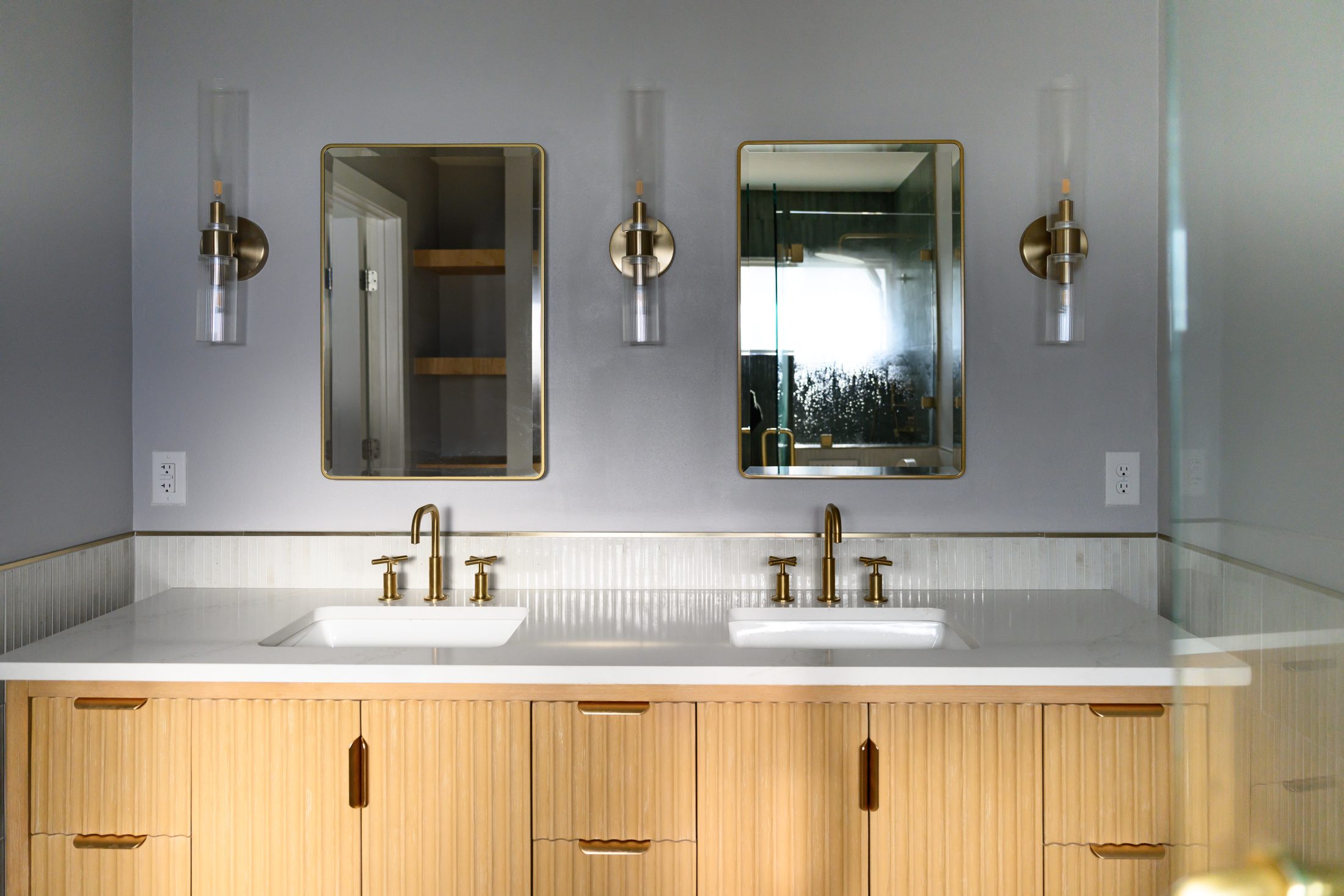
Plan the livability question before the remodel starts
At Hoeft Design Build, part of good project planning is helping homeowners think through not just scope and budget, but also how the work will affect daily life. That makes the project easier to manage and helps avoid bad mid-project decisions. If you are still deciding what kind of process will reduce chaos, compare design-build vs. general contractor in Georgetown.
If you want help thinking through whether your project is one you can realistically live through, contact Hoeft Design Build to schedule a consultation. You can also review the Google Business Profile to see how past clients describe the process.
FAQ: living in your home during a remodel in Georgetown, TX
Can I stay home during a bathroom remodel?
Usually yes, if you have another functioning bathroom. If it is your only bathroom, staying home gets much harder.
Can I live at home during a kitchen remodel?
Sometimes, yes, but it is one of the more disruptive project types. A temporary kitchenette can help, but not every family wants to live that way for weeks.
Does moving out make the remodel faster?
Sometimes it does, especially when the crew has clearer access and fewer daily workarounds. More importantly, it can make the experience much less stressful for the homeowner.